


That era is over.
We are entering the age of Dual Audience Commerce. The "user" is no longer just a person. It is often a person assisted by, or entirely represented by, an AI agent. This guide breaks down "Agentic UX" and why ignoring it is the fastest way to become invisible in the next generation of digital retail.
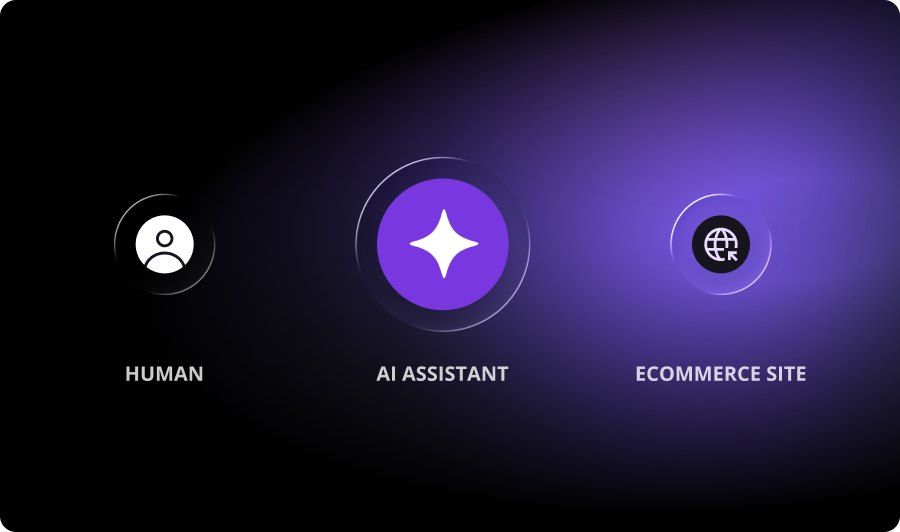
The Invisible Shift: From Tools to Butlers
For decades, the contract was simple. A human had an intent, they visited your site, they filtered through the noise, and they bought something.
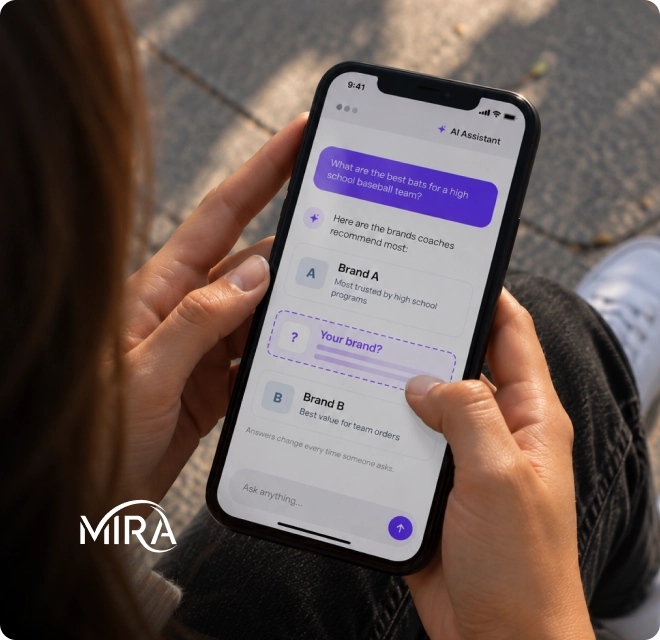
AI has broken that contract. It is no longer just a tool sitting passively in your search bar. It is becoming the buyer.
We are watching the rise of the Personal AI Intermediary. Think of this as a digital butler. It runs quietly in the background of a consumer's life. It optimizes searches, compares prices across the entire web in milliseconds, and pre-selects three perfect options before the human ever sees your logo.
The implication is radical. Your ecommerce site now hosts two very different guests at the exact same time:
The Human: Who cares about your brand story, your photography, and how the product makes them feel.
The Agent: Who cares about structured data, API logic, and semantic accuracy.
If you design only for the human, the agent cannot "read" you. If you design only for the agent, the human will not trust you.
The Tale of Two Users
To win, you need to understand the psychology of this odd couple.
1. The Human Participant
Humans are messy. They interact with experiences. They need context to build trust.
What they want: Aesthetics, serendipity, and a narrative.
What they hate: The "grunt work" of commerce. They are tired of opening twenty tabs to find one pair of boots.
Design Goal: Delight.
2. The Agentic Participant
Agents are precise. They interact with information. They need structure to execute tasks.
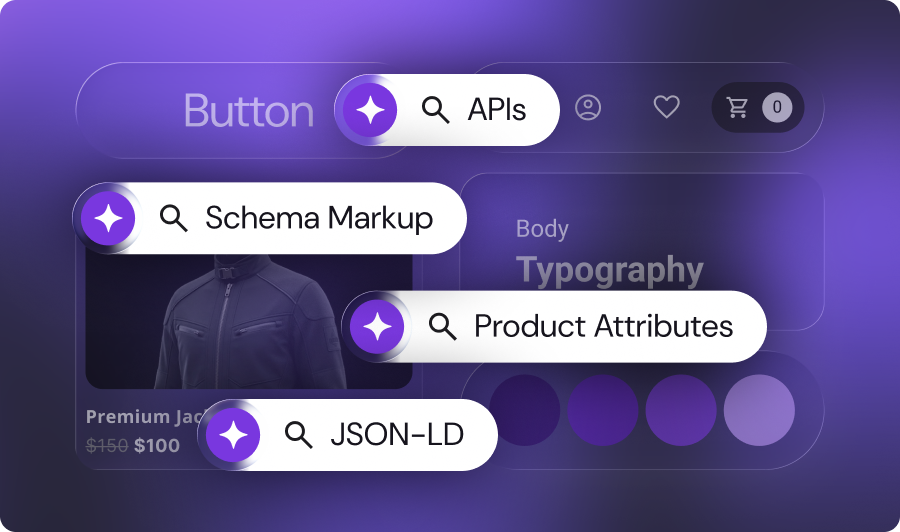
What they want: Schema markup, clear taxonomy, and logical attributes.
What they hate: Ambiguity. Crucial sizing info locked inside a JPG? That is a dead end for an agent.
Design Goal: Accuracy.
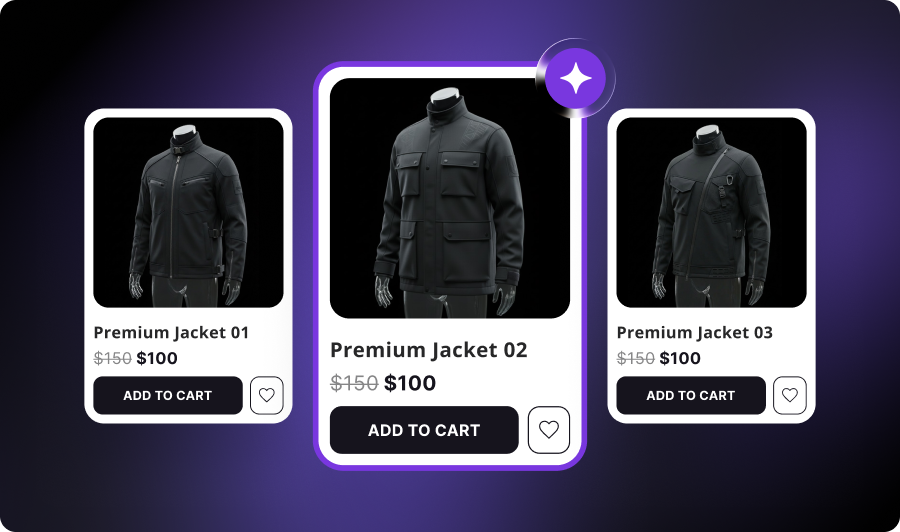
The "Dual Layer" Design Philosophy
A common misconception is that designing for AI means abandoning the visual soul of your brand. This could not be further from the truth. We believe in a "Dual Layer" approach where the surface and the structure work in harmony.
The Visible Layer: Human-Centric UI
We must keep doubling down on high-fidelity UI. As AI handles the logic of shopping, the human's role becomes more emotional. Your typography, color theory, and micro-interactions are the only things that build brand affinity. If the AI brings a user to a site that looks broken or dated, they will leave. The UI is your closing pitch.
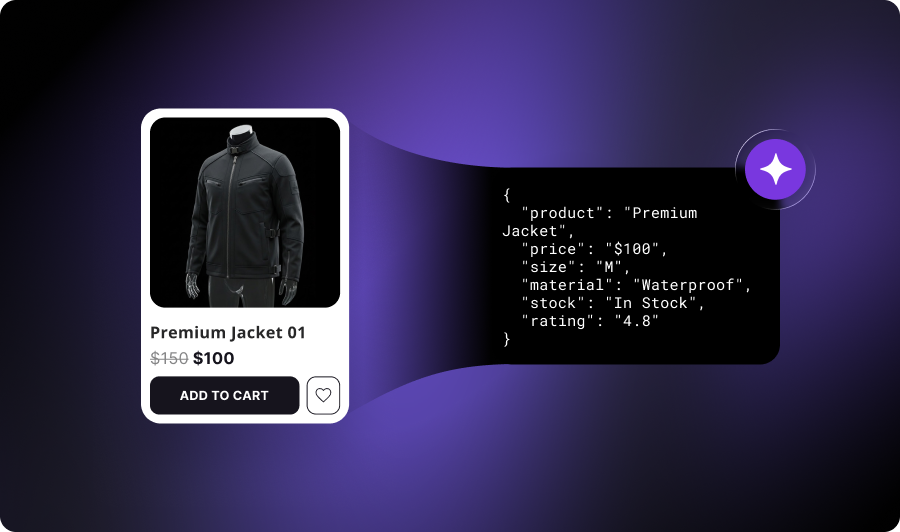
The Invisible Layer: Agentic Infrastructure
Beneath the beautiful "Fall Vibes" banner lies the invisible layer. This is where the agent lives. While the human sees a lifestyle photo of a hiker, the agent sees a JSON-LD packet confirming the boots are Gore-Tex, Size 10, and in stock in Chicago.
The modern designer’s job is to ensure the "Vibe" for the human never compromises the "Variable" for the machine.
The Intelligent Touchpoint
We need to stop looking at interfaces as static pages. They are Intelligent Touchpoints where biology meets silicon. Here is how we evolve the journey without breaking what works:
Discovery (The Supercharged Search) Internal search remains your highest-converting feature, but its job description is expanding. It still needs to serve the "Keyword Shopper" who types 'Red Dress,' but it must now also serve the "Intent Shopper" who types 'Something for a beach wedding in July' and the AI Agent asking via API. By moving to Semantic Search, you capture the higher conversion rate of search users while future-proofing for natural language.
Curation (The Silver Platter) Once the search engine or agent identifies the right products, use "Explainable UX" to close the gap. Do not just show the result; show the reasoning. Use a tag that says "Matched because you prefer waterproof materials." This builds immediate trust with the human.
Decision (The Human Takes Over) The technology has cleared the path; now the human makes the emotional call. This is where your high-fidelity imagery and brand ethos seal the deal.
Designing for Alignment: The Mira Commerce Perspective
At Mira Commerce, we do not treat AI as a shiny new feature. We treat it as infrastructure.
Data is the New UI: To an agent, your database is the user interface. We prioritize cleaning and structuring product data until it is machine-readable.
The Ghost Interface: We design flows specifically for agents. The human sees the beautiful frontend; the agent gets a VIP entrance, a high-speed path to retrieve data without parsing visual HTML.
Protecting Serendipity: Efficiency is great, but we do not want to lose the magic of stumbling upon something new. We design for adjacent discovery, providing continuous upselling and cross selling opportunities, the ability to find products they might not know they need, and explore while the agent holds the map.
The Strategic Imperative
The winners of the next five years will not just be building stores; they will be building platforms for intelligence.
Conversion: Optimize your search and data today to capture the high-intent traffic that is already on your site.
Loyalty: If your site plays nice with a user's AI assistant, that assistant will bring them back. You become the easy option.
Differentiation: In a world where AI gives everyone the same answers, your Brand Voice becomes your only moat.
The Verdict
The interface of the future is not just a screen. It is a conversation between a human's desire and a machine's capability. At Mira Commerce, we are not just watching this shift happen. We are building the tracks for it.
Ready to optimize for the Dual Audience?
As a digital commerce agency specializing in the next generation of retail, we help brands bridge the gap between human delight and machine logic. Explore our AI Enablement Services to learn how we can audit your Agentic Experience (AX) and turn your data into a high-conversion UI.
Key Takeaway for Leaders:
Audit your "Agentic Experience" (AX). Ask your team: "If a bot tried to buy our product without 'seeing' the screen, could it?" If the answer is no, you are blocking future revenue.
.webp?compression=lossy)
.webp?compression=lossy)
.webp?compression=lossy)